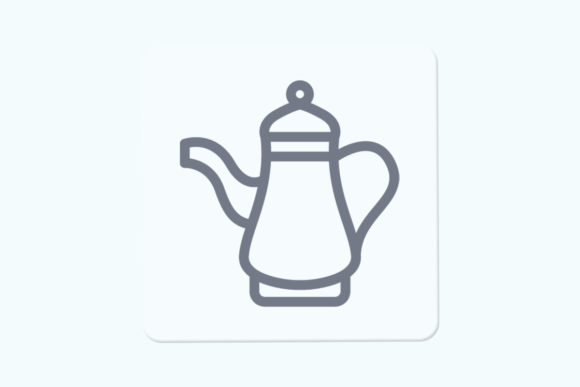
Teacup: Graphics for Creative Projects
As a designer who regularly works on branding, marketing visuals, and printable products, I always look for high-quality design assets that can elevate a project without requiring hours of custom work. Teacup, a simple yet elegant illustration, caught my attention as a potential asset for a client’s new handmade brand. Its clean lines and subtle charm make it a versatile addition to any creative toolkit.
The First Impression
Teacup immediately conveys a sense of warmth and approachability. The design is minimal but not plain, with soft curves and a balanced composition that feels both modern and timeless. It’s the kind of illustration that could easily fit into a rustic, vintage, or contemporary aesthetic depending on how it’s styled. This flexibility makes it ideal for small business branding, especially for clients in the handmade or artisan space.
From a visual standpoint, Teacup has a gentle, inviting mood. It doesn’t scream for attention but adds a quiet sophistication that can enhance a design without overwhelming it. This makes it particularly useful for projects where subtlety is key—like packaging, social media graphics, or editorial layouts.
Real-World Design Applications
One of the first places I’d consider using Teacup is in a logo design or brand identity system. Its simplicity allows it to be scaled down to small sizes without losing clarity, making it suitable for favicon icons, app logos, or even social media avatars. When paired with typography, it can serve as a strong visual anchor for a brand’s personality.
In product labels and packaging design, Teacup can act as a decorative element that reinforces a brand’s theme. For example, if a client sells organic teas or handmade soaps, this illustration could appear on packaging to subtly communicate quality and care. It also works well as a sticker design or t-shirt design, especially when used in conjunction with other illustrations in a design bundle.
For digital sellers and print-on-demand businesses, Teacup offers a ready-to-use graphic that can be incorporated into Canva templates, Etsy products, or social media posts. Its availability in multiple file formats—including SVG, PNG, and JPG—makes it easy to edit and adapt for different platforms. The transparent PNG file, in particular, is perfect for overlaying on images or backgrounds without unwanted edges.
Where Teacup Shines
Teacup excels in large layout areas, such as hero graphics or product mockups. Its size and detail make it a great focal point for web banners, Instagram posts, or Pinterest pins. When used in themed collections, it can help create a cohesive visual language that supports a campaign or seasonal launch.
It also works well as a supporting brand element, adding depth to editorial design or marketing visuals without competing with other elements. In a blog post or magazine layout, it can serve as a decorative accent that enhances the overall aesthetic without distracting from the content.
When to Use with Caution
While Teacup is versatile, it may not be the best choice for every project. In small sizes, such as on business cards or QR codes, its details might get lost. Similarly, in crowded layouts or complex backgrounds, it could become visually confusing if not properly positioned.
For minimalist branding or professional corporate materials, Teacup’s soft style might not align with the desired tone. In such cases, a more structured or geometric illustration would likely be more appropriate. Additionally, low-contrast designs or those with very clean visual hierarchy may benefit from a more dominant graphic rather than a subtle one like Teacup.
Design Considerations
Before using Teacup for a client project, it’s important to test it in various scenarios. Try it in black and white to see how it holds up without color. Check its contrast on light and dark backgrounds to ensure visibility. Preview it at small and large sizes to confirm that it remains legible and clear.
If the client plans to use it for print-on-demand or commercial design, review the file formats carefully. Ensure the SVG design is editable and the PNG transparency is clean. Also, verify that the commercial license covers the intended use, especially if the design will be part of a product sold online or in physical stores.
Compare Teacup with different font styles to see how it interacts with text. It pairs well with serif and script fonts, but may need adjustment when used alongside bold sans-serif or display fonts. Ultimately, the goal is to maintain a strong visual hierarchy while keeping the design cohesive and professional.
Final Thoughts
Teacup is a solid graphic design asset that can add character and charm to a wide range of projects. Whether you’re working on a handmade business branding effort, a seasonal campaign, or a digital product, it offers a clean, editable, and adaptable illustration that can save time without sacrificing quality.
As a designer, I appreciate assets that are both functional and aesthetically pleasing. Teacup fits that bill, offering a simple design with high quality that can be modified to suit different needs. With the right application, it can help create a polished, professional result that resonates with the target audience.